NEW ZEALAND GREAT WALKS GUIDE

lake waikaremoana Track Guide: Everything You Need to Plan Your Hike
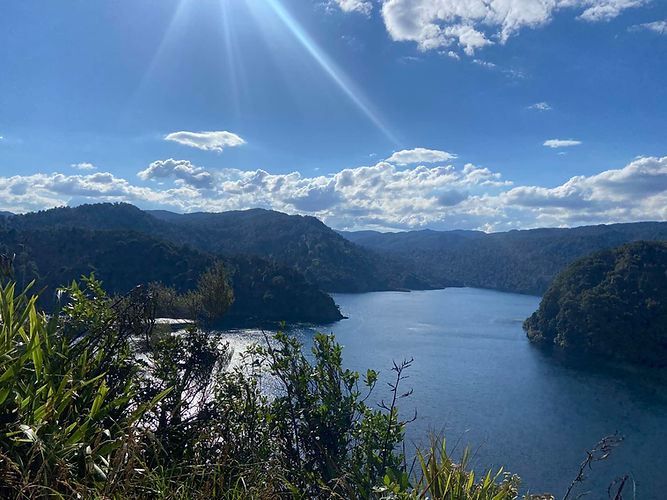
The Lake Waikaremoana Track is a stunning 46-kilometer hike located in the Te Urewera National Park in the North Island of New Zealand. The track takes hikers through lush forests, past cascading waterfalls, and along the shores of the crystal-clear Lake Waikaremoana. With breathtaking views and a variety of terrain, this track is a must-do for anyone keen to get off the beaten track.


lake
waikaremoanatrack
Each track has its own story - click the links below to find out what awaits you
Read our Lake Waikaremoana Track experience
Want to know what it's really like? Read about our 4-day adventure, favourite viewpoints, hut stays, and the lessons we learned along the way.
LAKE WAIKAREMOANA QUICK OVERVIEW
location
The Waikaremoana Track is located on the east coast of the North Island. The closest airports are Napier or Gisborne and will take approx a 2hr 30min drive to the start of the track.
difficulty
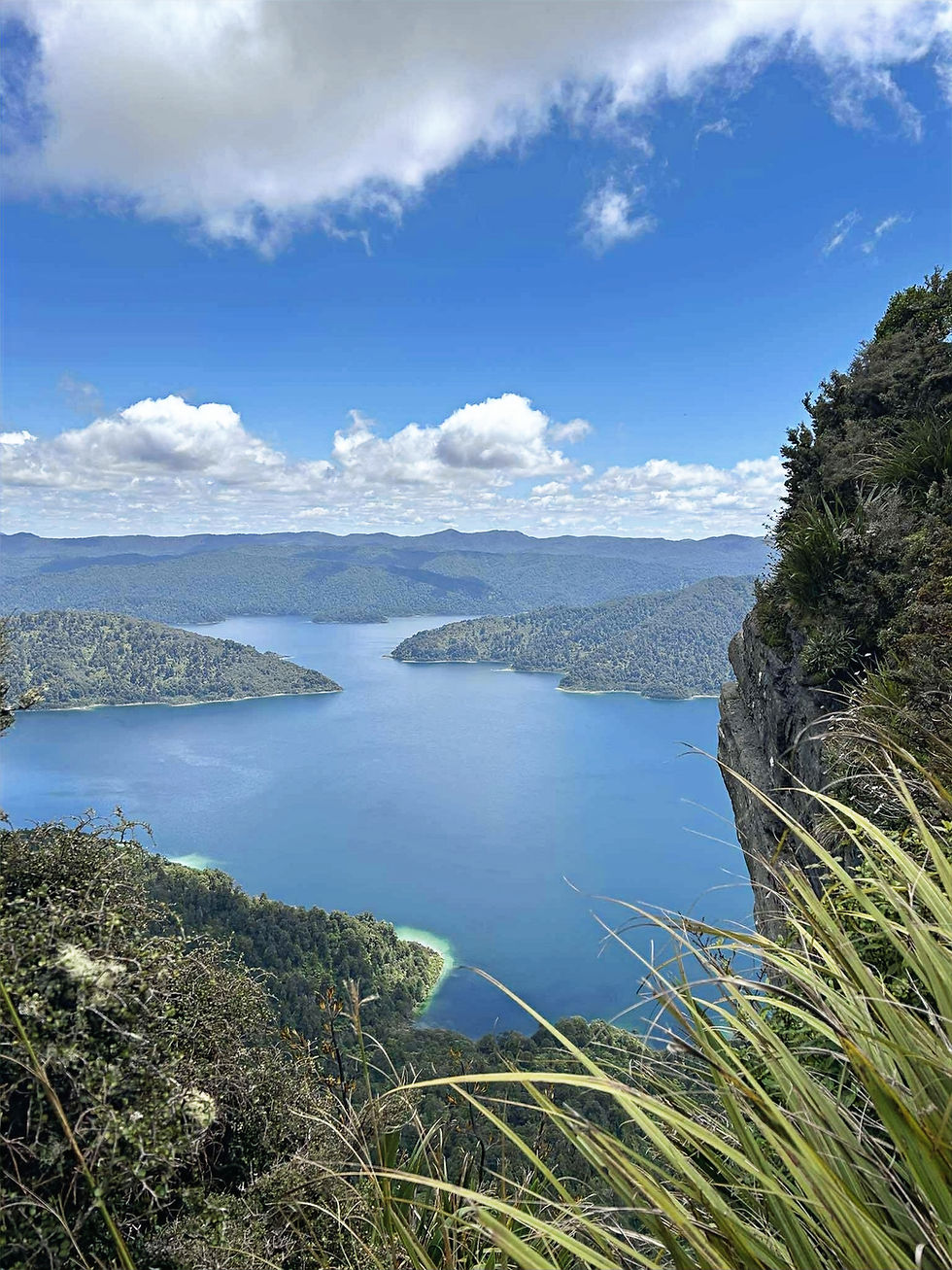
Lake Waikaremoana track is one of the easier and less crowded of the Great Walks but has a tough climb up to Panekire Hut. The climb is worth it for expansive views from Panekire bluff overlooking the lake.
at a glance
LENGTH: 46 km one way
DURATION: 3-4 days
DIFFICULTY: Easy to Moderate
CAMPING: Camping allowed at designated campsites.
possible itinerary
Great Walks Season - all year round
DAY 1: Onepoto to Panekire Hut 8.8 km / 4-6 hrs
DAY 2: Panekire Hut to Waiopaoa Hut/Campsite 7.6 km / 3-4 hrs
DAY 3: Waiopaoa Hut to Marauiti Hut 12.1 km / 5hrs 30mins
DAY 4: Marauiti Hut to Hopuruahine Landing 15.7 km / 6hrs 30mins (exit via water taxi)
WHY WALK LAKE WAIKAREMOANA TRACK
BEST FOR: Hikers seeking a remote North Island Great Walk with peaceful forest trails, easier hut bookings, year-round walking opportunities and plenty of lake and waterfall swimming spots.
If you are looking for a remote wilderness experience away from the crowds, the Lake Waikaremoana Track is one of the best Great Walks in New Zealand. It is one of only three Great Walks in the North Island, making it a special option for hikers who want to experience a Great Walk without travelling to the South Island.
Unlike some of the more famous Great Walks, the Lake Waikaremoana Track generally receives fewer visitors. The atmosphere feels much more secluded and peaceful, and huts are often easier to book, even during the main hiking season. For walkers who prefer quiet trails and a stronger sense of wilderness, this is one of the track’s biggest advantages.
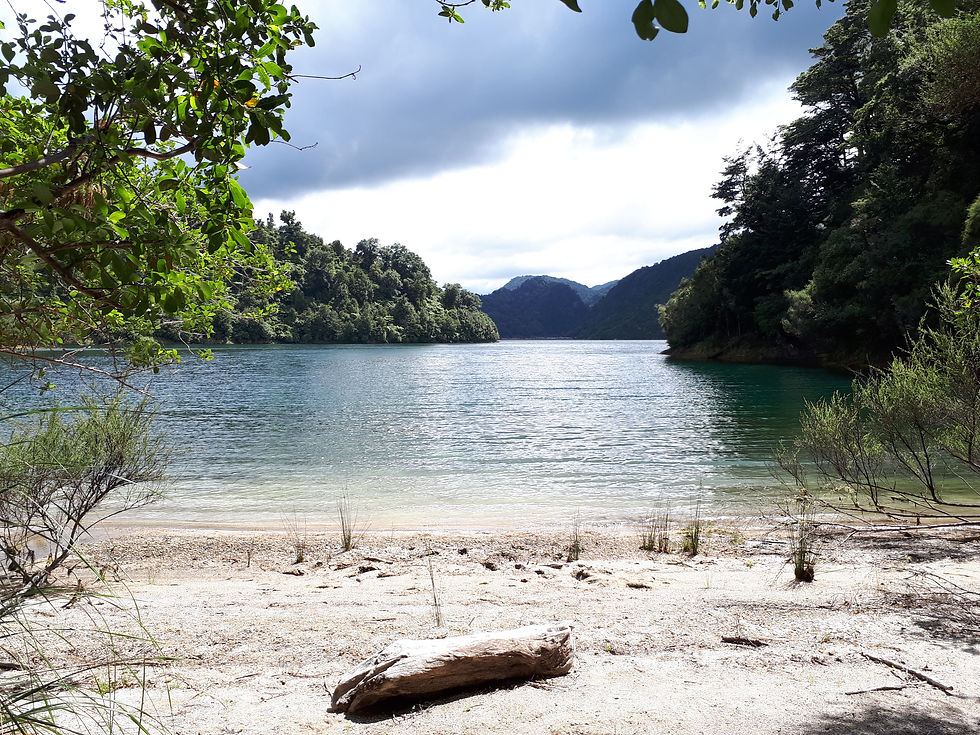
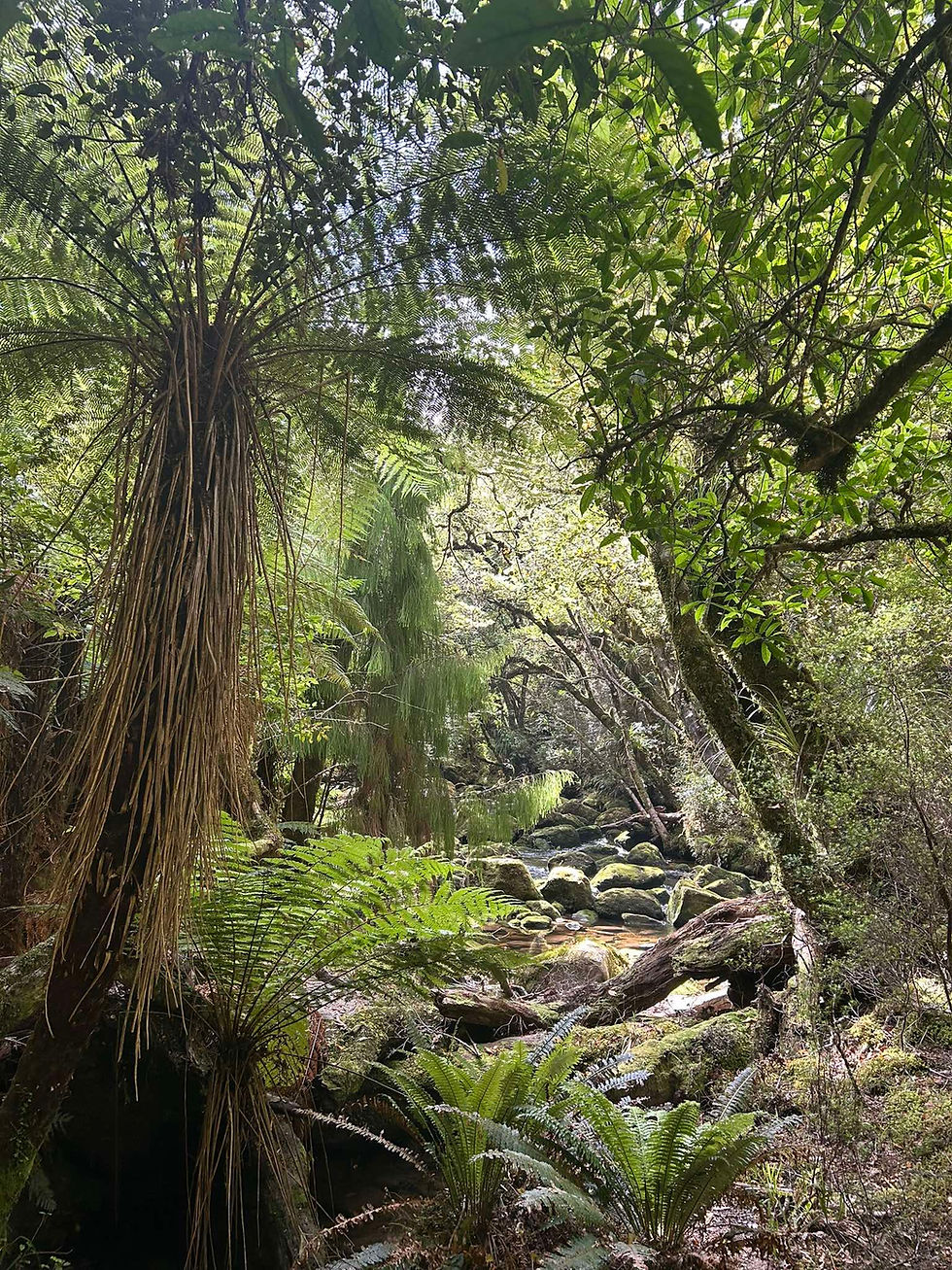
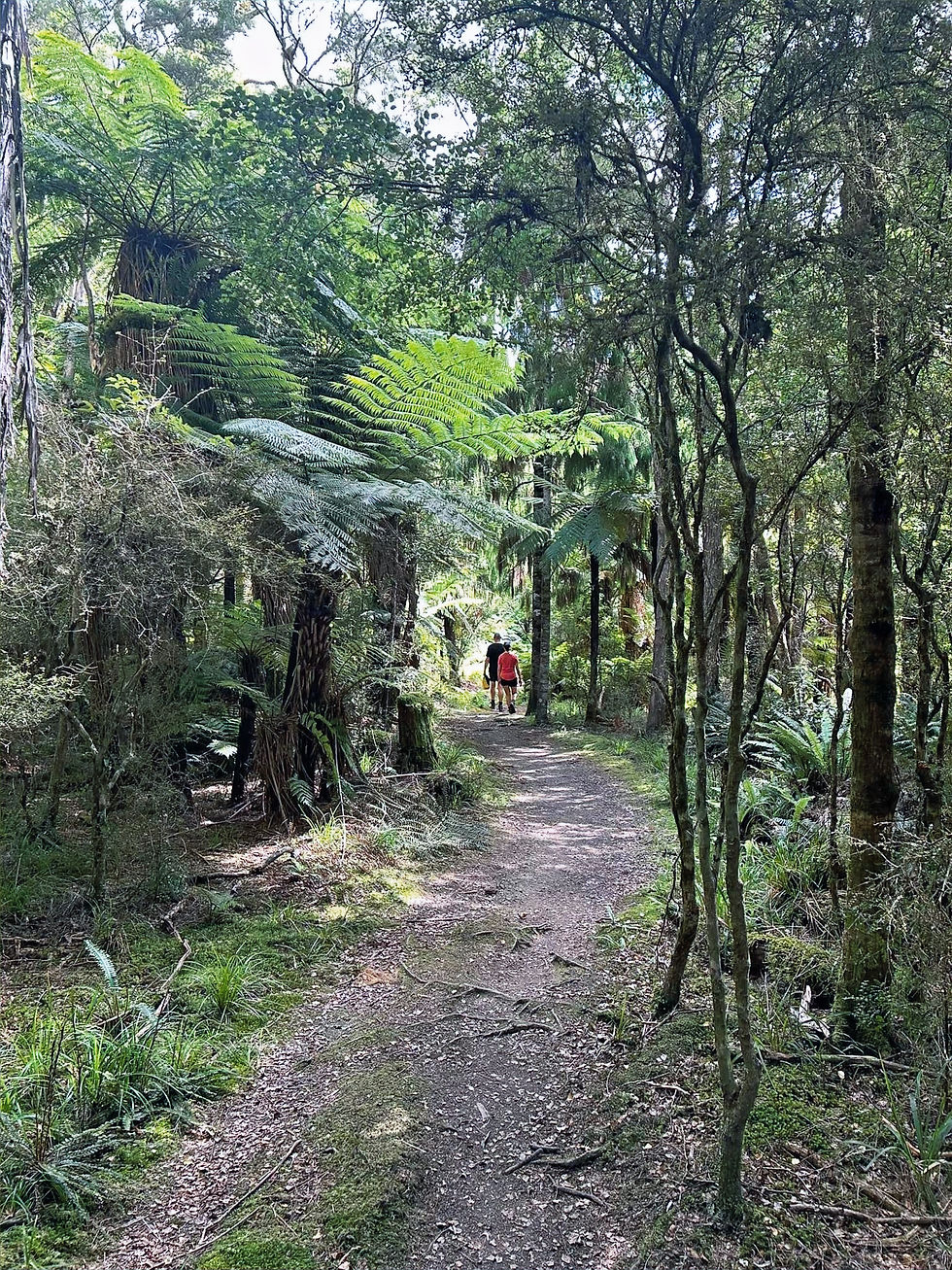
The scenery is incredibly varied. The track winds through ancient native forest, passes waterfalls and streams, and follows the shores of beautiful Lake Waikaremoana. There are plenty of opportunities to swim in the crystal-clear lake, cool off beneath waterfalls and enjoy some of the best freshwater scenery in the country.
Panekire Bluff Views
One of the highlights is the climb to the Panekire Bluff, where hikers are rewarded with spectacular views across the lake and surrounding forest-covered ranges. The combination of elevated viewpoints, dense rainforest and lakeside beaches gives the walk a very different character from the alpine Great Walks of Fiordland.
Another major benefit is that the Lake Waikaremoana Track can be walked year-round. While weather conditions should always be checked before setting out, the track does not have the same severe alpine hazards found on tracks such as the Kepler or Routeburn. This makes it a more accessible option outside the traditional summer hiking season.
For hikers seeking a quieter Great Walk, easier hut bookings, year-round walking opportunities and the chance to swim in one of New Zealand’s most beautiful lakes, the Lake Waikaremoana Track offers a unique and rewarding wilderness experience.
Lake Waikaremoana Track overview
The Lake Waikaremoana Track is one of New Zealand’s Great Walks in the North Island and sits within Te Urewera, a protected forest area that is no longer classified as a national park. Te Urewera is the ancestral homeland of the Ngāi Tūhoe people and is managed in a way that reflects its cultural and ecological significance, rather than being administered as a national park. Unlike most Great Walks, this track is not managed by DOC (Department of Conservation). The result is a quieter, more remote hiking experience with fewer crowds and a more untouched natural setting.
The track is not a loop track and follows the shores of Lake Waikaremoana either from Onepoto in the south or Hopuruahine in the north. The 46km track can be hiked at any time of year over 3-4 days. The track is not as busy as the other Great Walks and due to its more remote location can be easier to get hut/campsite bookings. This is also what makes this Great Walk so special.
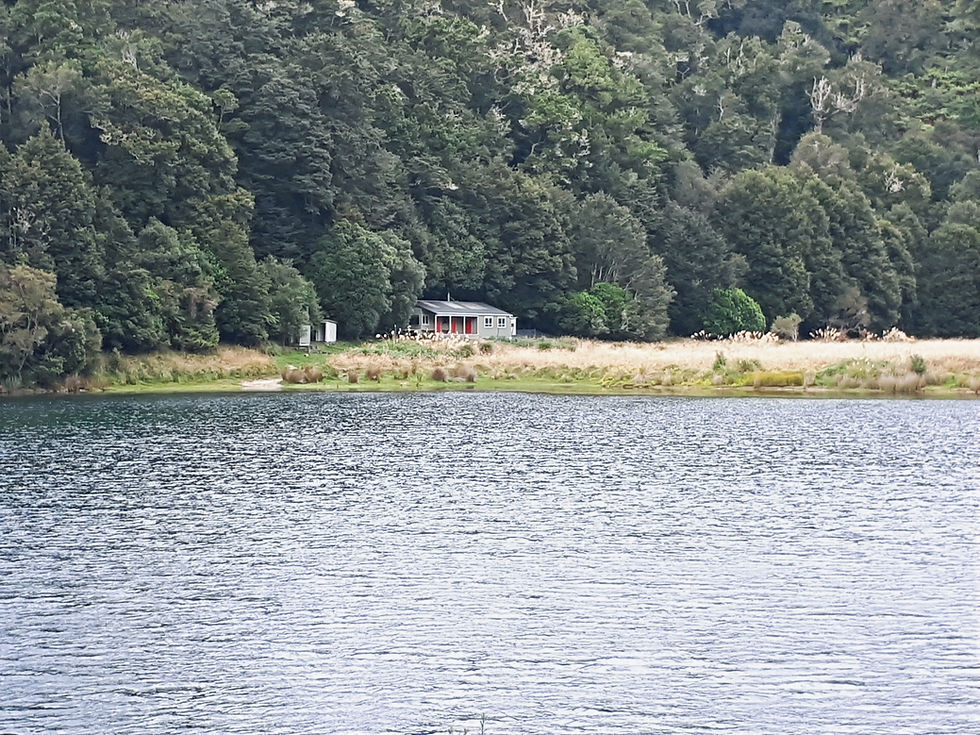
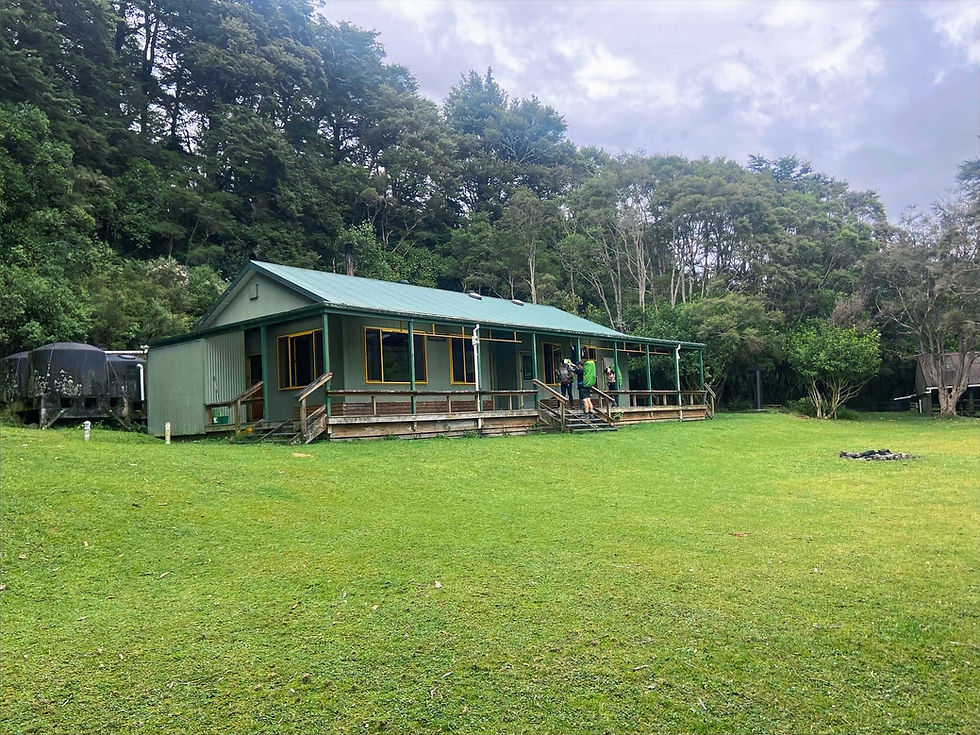
Camping is allowed at designated campsites with 5 to choose from (Waiopaoa, Korokoro, Maraunui, Waiharuru, Tapuaenui). There are also 4 huts that can be booked - Panekire (36 bunks), Waiopaoa (30 bunks), Marauiti (26 bunks), Waiharuru (40 bunks). Hikers will need to bring their own toilet paper and portable stoves as gas burners are not provided for cooking. Be aware that water tanks can run low during summer at Panekire Hut so consider taking extra water for this leg of the hike.
BEST TIME TO WALK LAKE WAIKAREMOANA TRACK
The Lake Waikaremoana Track can be walked year-round, but the most popular time to visit is during the warmer summer months when temperatures are ideal for swimming in the lake and enjoying the many waterfalls along the track.
Summer (December to March) generally offers the best conditions, with longer daylight hours and more stable weather. This is the perfect time to make the most of Lake Waikaremoana’s beautiful swimming spots and relaxed lakeside atmosphere.
The track passes through dense native rainforest in Te Urewera, one of the wettest and most lush regions in New Zealand. As a result, parts of the track can become very muddy and slippery after periods of heavy rain, regardless of the season. Good footwear and preparation for wet conditions are essential at any time of year.
Spring and autumn can also be rewarding times to walk the track, with fewer visitors and cooler temperatures. However, weather conditions can be more changeable, and wet weather can make sections of the track more challenging underfoot.
While winter walking is possible, it is quieter and conditions are generally colder and wetter, with reduced opportunities for swimming and longer muddy sections on the track.
Overall, summer provides the best balance of warmth, accessibility and enjoyment, especially for hikers looking to experience the lake, rainforest and waterfalls at their best.

WHAT TO EXPECT ON THE LAKE WAIKAREMOANA TRACK
From Onepoto (South) to Hopuruahine (North)
Day 1 - Onepoto to Panekire Hut - 8.8km / 4-6hrs
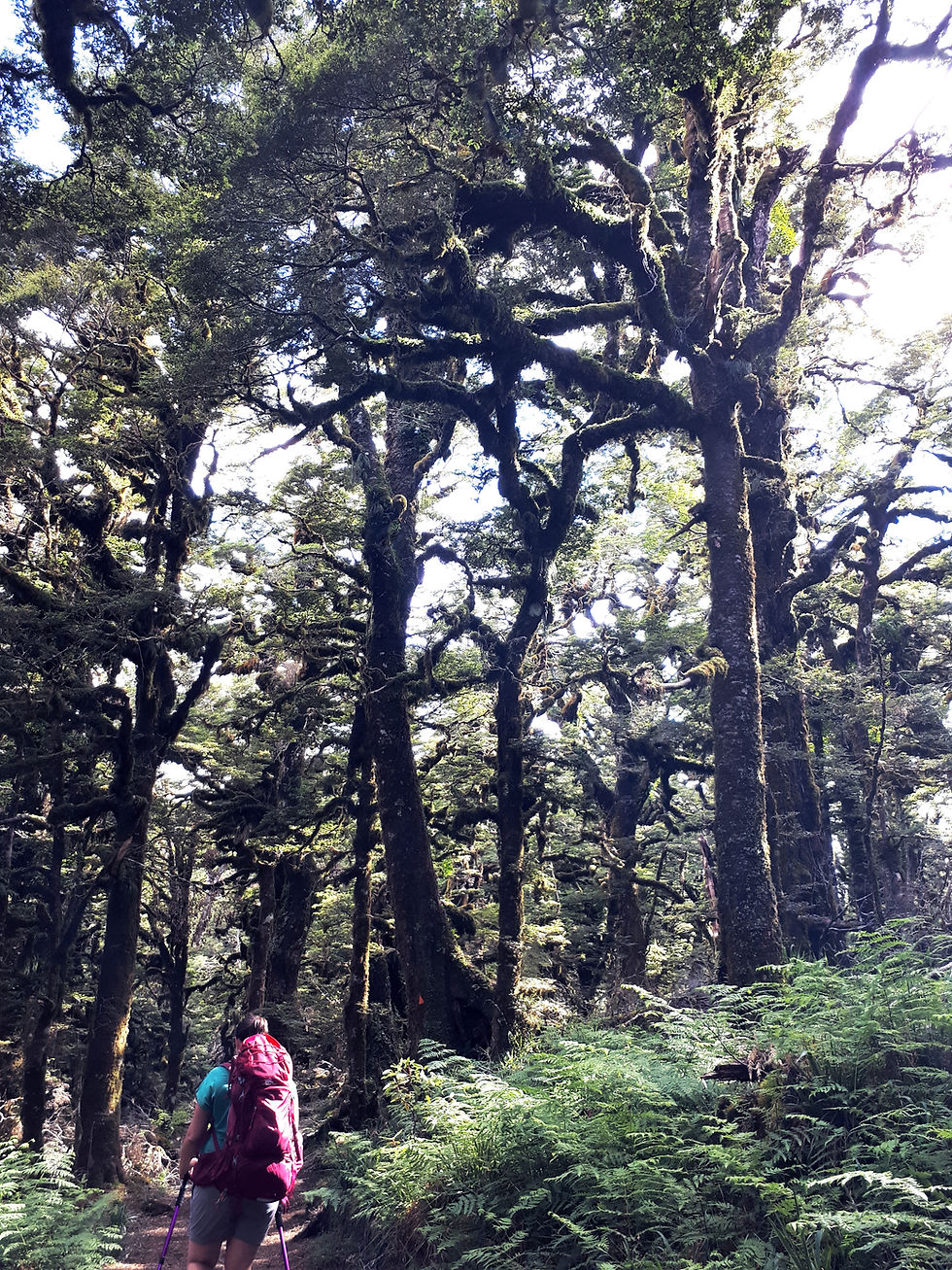
Day 1 starts at Onepoto Shelter and within minutes the moderate ascent begins quickly up to Panekire Bluff. The 8.8 km hike to Panekire Hut is expected to take 4-6 hours. Most of the ascent is under the cover of ancient native forest and the path has lots of raised tree roots. The climb is one of the more difficult climbs of the Great Walks. The climb to Panekire Bluff is worth the effort and gives spectacular views over the lake on a clear day. It is a great place to stop for lunch and a rest. From the bluff, the track follows undulating ridgeline until you reach Panekire Hut sitting at 1180m.
Day 2 - Panekire Hut to Waiopaoa Hut - 7.6 km / 3-4 hrs
Day 2 descends hikers from the heights of the Panekire Hut back down 7.6 km to the lake's edge. The descent should take 3-4 hours through beech, podocarp and kamahi forest. You will encounter a lot of steps on this section as you reach Waiopaoa Hut with the campsite close by. If completing the walk in 3 days, combine days 2 and 3 to stay at Marauiti Hut.
Day 3 - Waiopaoa Hut to Marauiti Hut 10.4 km / 5-6 hrs
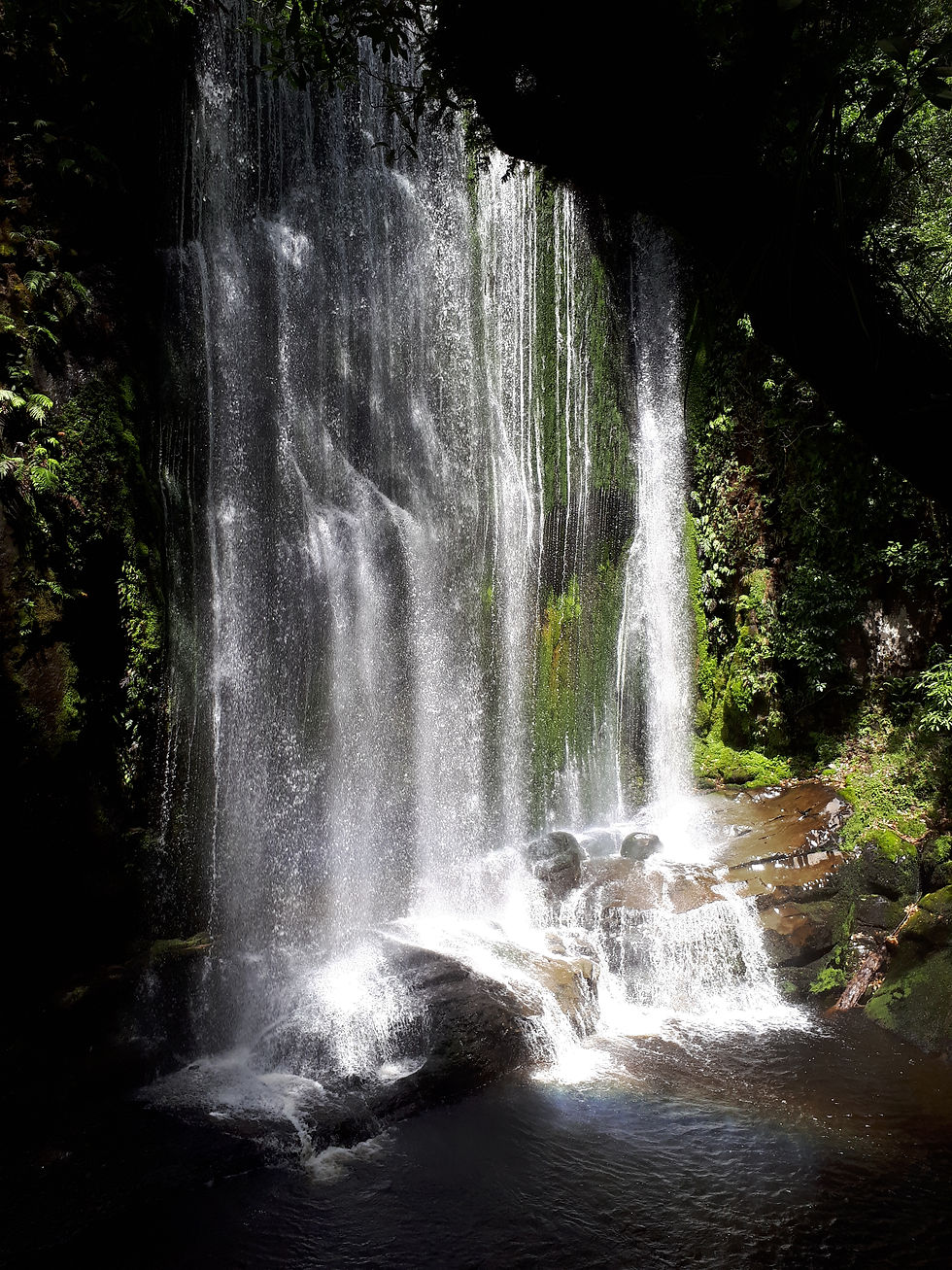
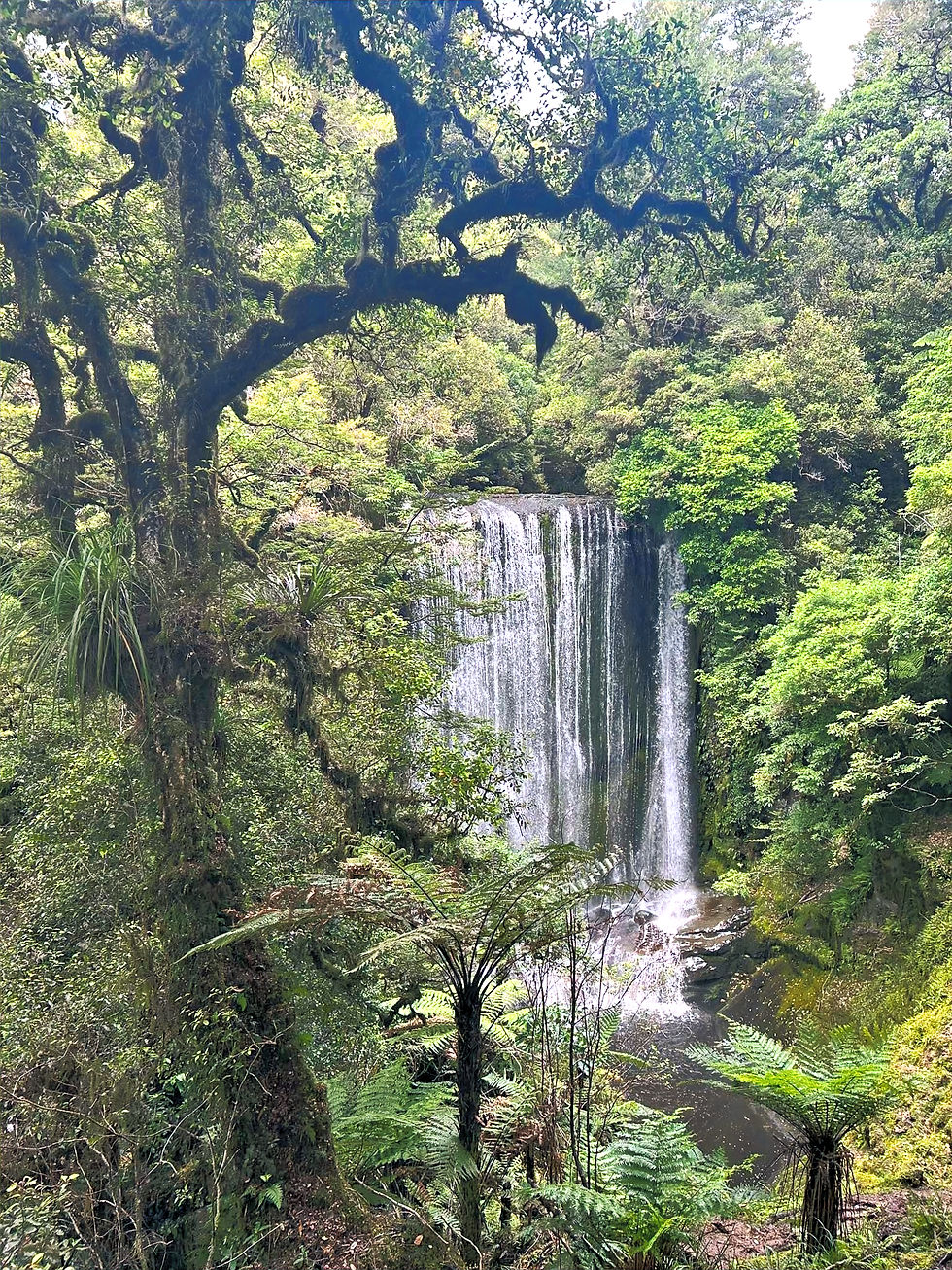
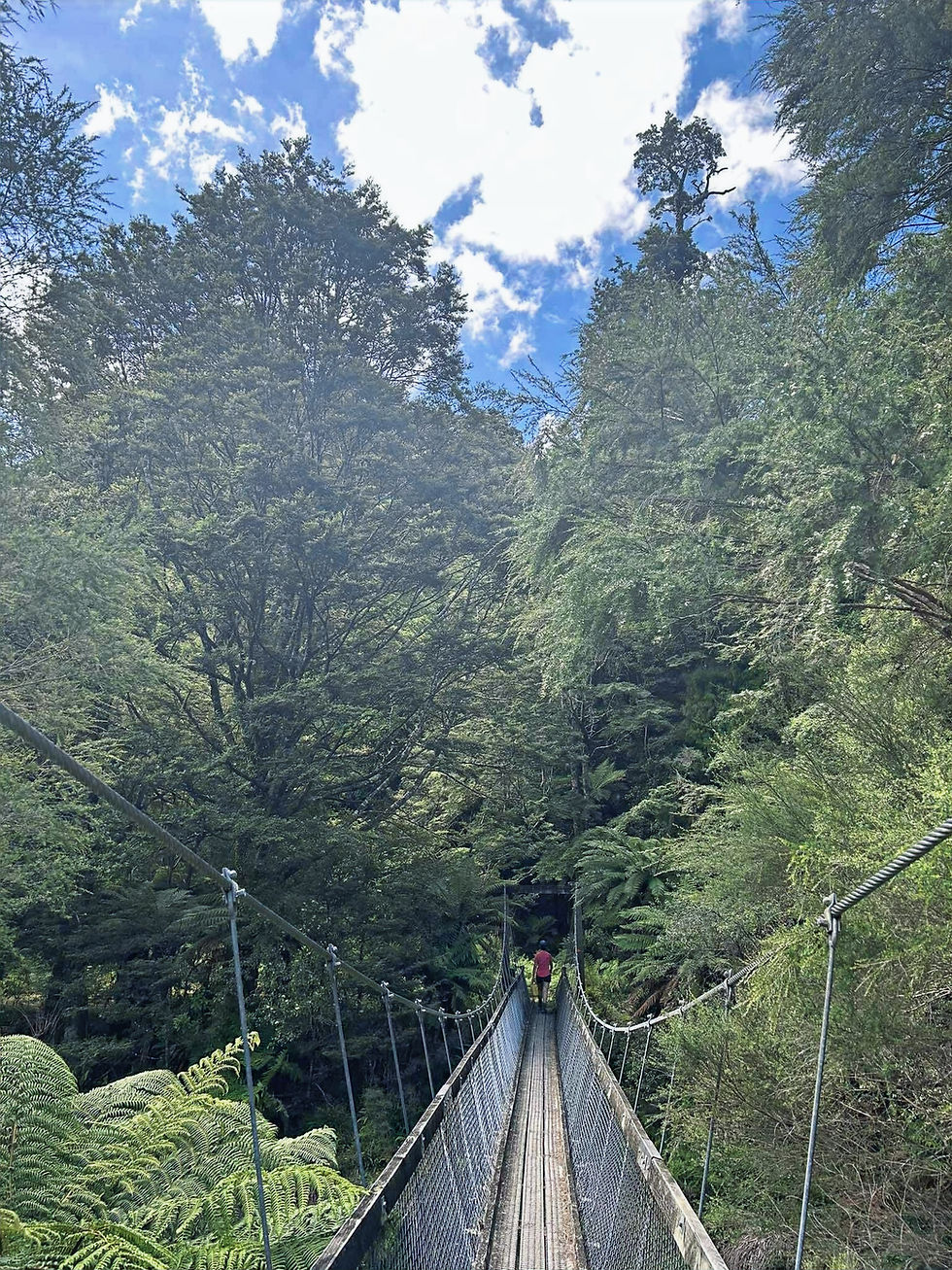
The 10.4 km hike from Waiopaoa Hut to Marauiti Hut will take approx 5-6 hours or longer if the Korokoro Falls side trip is completed on the way. Hikers head off around the lake and just before the suspension bridge is the turn off to Korokoro Falls. Many hikers may stash their pack and complete the 1hr return trip to the waterfalls. To get there requires rock hopping and stream crossings. Beware the rocks are very slippery at the waterfalls so be careful if swimming. Past the Korokoro Falls turn off and after crossing the suspension bridge is Korokoro campsite. Beyond the campsite, the track is quite undulating twisting hikers in an out of forest and around the lake perimeter. Hikers will pass Maraunui Campsite and one last climb over the ridge will drop hikers to Marauiti Hut, an older style backcountry hut.
Day 4 – Marauiti Hut to Hopuruahine landing 12.5 km / 5-6 hrs
The last day from Marauiti Hut to Hopuruahine landing is 12.5 km in length and will take approx. 5-6 hours. The hike today is easy going and not as undulating as the day before. The track follows lakeside for the most part and passes Waiharuru Hut/Campsite and Tapuaenui Campsite on the way to the water taxi to take you home.

Day Walk Options
Lake Waikaremoana is reasonably remote, but it is possible to complete day walks if staying close by. There is accommodation located nearby at Waikaremoana Holiday Park.
Suggestions:
Onepoto to Panekire Hut (return) - 17.6 km / 8 -12 hrs. A strenuous climb to the bluff with rewarding views of the lake. Stop for lunch at Panekire Hut and return.
Alternatively, water taxis service the lake, and it is possible to organize pickups and drop offs to tailor a hike to suit.
LAKE WAIKAREMOANA DIFFICULTY
The climb to Panekire Bluff from Onepoto is, in our opinion, one of the tougher climbs on the Great Walks. On a hot day, it really feels it, with the ascent starting almost immediately from Onepoto. The climb is steep in places and we found ourselves grabbing onto roots and using them to help pull us up sections of the track.
Once you reach the bluff, the track becomes noticeably easier, with a more undulating profile. The final approach to the hut includes a series of steep stairs where there is a maximum one-person weight limit.
After the first day, the track follows the lake edge and is generally much more relaxed and cruisy. The section from Waiopaoa Hut to Marauiti Hut is undulating but deceptively long, with a few sneaky climbs along the way, especially if you add the side trip to Korokoro Falls.
We were lucky and had hot and dry weather, but friends had completed the track previously and said the track was horribly muddy and made for long, slippery, and slow hiking.

Lake Waikaremoana Track Profile

LAKE WAIKAREMOANA LOGISTICS & BOOKINGS
The Lake Waikaremoana Track is generally less crowded than many of New Zealand’s other Great Walks, meaning hut and campsite bookings are often more readily available throughout the year. However, it is still essential to secure your Lake Waikaremoana huts or campsites before finalising any travel plans, as availability can vary during peak periods.
For up-to-date availability and booking information, see the PLAN & BOOK section or use the link below.
Lake Waikaremoana is quite remote so you will likely need to book accommodation either before or after the hike. There is only one option, the Waikaremoana Holiday Park. For more information check out the PLAN & BOOK section or click the link below.
The best option to get to Lake Waikaremoana is to drive yourself. If coming from Rotorua, the road is unsealed, narrow and winding and is not suitable for campervans. The journey takes approximately 3 hours. If coming from Wairoa, the road is only unsealed for around 30 minutes.
A water taxi is required for most hikers to access or exit sections of the track via Hopuruahine Landing, and should be organised in advance as part of your trip planning. This helps with transport logistics and allows for more flexible start or finish points on the track.
For information on how to book water taxis to or from Hopuruahine Landing, check out the PLAN & BOOK section or click the link below.

Things We Learned
1. First Aid kit - The First Aid kit we bought at an outdoor store was rubbish. The scissors wouldn't cut a piece of paper and the things you would actually need weren't included. Only basic first aid can be administered on the track anyway, but this kit was useless. Make sure that your first aid kit is decent. Our crew nurse ending up restocking it with good quality items for future (but hopefully never) use.
2. Choose hut shoes wisely - We decreased our gear on the second hike and took our hiking boots and one pair of footwear for the hut. Consider hut footwear that if needed to, you could hike in. One of the crew had terrible blisters and couldn't put her boots back on so was hiking in jandals (flip flops) for a while. If your hiking footwear fails, it's good to have a decent backup option for the rest of the walk.
3. Huts - some of the huts are tired and need some TLC. Waiharuru Hut is newer and more modern whilst Panekire/Maruiti are more older style backcountry huts (and look like it). While we love the newer design of the modern DOC huts, the classic old skool DOC hut is still pretty cool, but appreciate it is not for everyone so consider this when booking huts.
TIPS From The Crew
1. If climbing from Onepoto on the first day, it is possible if you start early to hike to Waiopaoa Hut. Waiopaoa Hut is lakeside so you will be able to get a swim after a gut busting climb to the Panekire Hut. We found Panekire Hut needed a good clean and some TLC.
2. If you hike from Panekire Bluff to Waiopaoa Hut on Day 2 you should have plenty of time to ditch your packs and head to the side trip to Korokoro Falls for the afternoon (1hr return trip from the main track).
3. The rocks are very slippery at Korokoro Falls so be careful with your footing. You will need to rock hop on the way there and may get wet boots.
4. Luggage transfer is available for your packs by water taxi to the huts (except Panekire Hut) to make the hiking easier if needed.
3. Te Urewera is a rainforest and the track can get very muddy in places after periods of heavy rain. Check the weather and consider your footwear and/or gaiters.
5. If driving from Rotorua you will need to travel on a narrow gravel winding road for 70km which is slow going and can take 3 hours. The road is not suitable for campervans. If possible, consider travelling from the East into Lake Waikaremoana instead.
6. Consider your direction when planning this Great Walk. If you hiking from Hopuruahine Landing your pack will be lighter with less food for the climb up to Panekire Hut, but you will encounter a lot of stairs. We prefer to get the climbs out of the way on the first day when we have fresh legs, so opted to hike from Onepoto. We also avoided all those stairs.
7. There are a lot of possums on the trail. Don't leave food open and lying around. Pack it away or you will get a visit from some furry critters.
LAKE WAIKAREMOANA COMMON QUESTIONS
How difficult is the Lake Waikaremoana Track?
The Lake Waikaremoana Track is considered a moderate Great Walk. While it is not as alpine or exposed as some South Island Great Walks, hikers should still be prepared for long walking days, steady climbs (particularly around Panekire Bluff) and potentially muddy, slippery conditions in sections of rainforest.
How long does it take to walk the Lake Waikaremoana Track?
Most hikers complete the Lake Waikaremoana Track in 3 to 4 days. The exact timing depends on your fitness level, weather conditions and how you structure your stops at the huts along the track.
Do I need to book huts on the Lake Waikaremoana Track?
Yes. All huts and campsites must be booked in advance. However, compared to many other Great Walks, Lake Waikaremoana huts are often easier to secure, even during peak season, due to its remote location and lower visitor numbers.
Is the Lake Waikaremoana Track busy?
No. The Lake Waikaremoana Track is one of the quieter Great Walks in New Zealand. It is significantly less crowded than popular tracks such as the Milford or Routeburn Tracks, making it ideal for hikers seeking a more peaceful experience. It’s worth noting that Lake Waikaremoana can be busier during holiday periods, as it’s a popular spot for locals who often visit by boat to enjoy the lake, swim and spend time at the bays along the shoreline.
What is the best time to walk the Lake Waikaremoana Track?
Summer (December to March) is generally the best time to walk the Lake Waikaremoana Track, with warmer temperatures and ideal conditions for swimming in the lake. Spring and autumn can also be good, but conditions are more changeable and the track can become muddy after rain.
Can you swim on the Lake Waikaremoana Track?
Yes. One of the highlights of the track is the opportunity to swim in Lake Waikaremoana and under waterfalls along the route. Water temperatures are best in the summer months.
How do you get to the Lake Waikaremoana Track?
The main access points are by road from Rotorua or Wairoa. The road from Rotorua is longer and partly unsealed, while the Wairoa route is shorter but still includes a section of unsealed road. Most hikers drive themselves and then arrange transport logistics as part of their trip planning.
Do I need a water taxi on the Lake Waikaremoana Track?
Yes, most hikers use a water taxi to access or exit sections of the track, particularly to or from Hopuruahine Landing. This should be arranged in advance as part of your hiking plan.
Can you walk the Lake Waikaremoana Track year-round?
Yes, the track can be walked year-round. However, conditions are more comfortable in summer. Winter and shoulder seasons can be wetter, colder and muddier, and require more preparation.
Why is Lake Waikaremoana not managed by DOC?
The track is located within Te Urewera, a protected area that is no longer a national park. It is managed by the Te Urewera Board in partnership with Ngāi Tūhoe, reflecting its cultural and ecological significance rather than traditional DOC park management.
Is the Lake Waikaremoana Track worth it?
Yes. The track is highly regarded for its combination of ancient rainforest, lake views, waterfalls and quiet trails. Its remote location and lower visitor numbers make it one of the most peaceful Great Walk experiences in New Zealand.